


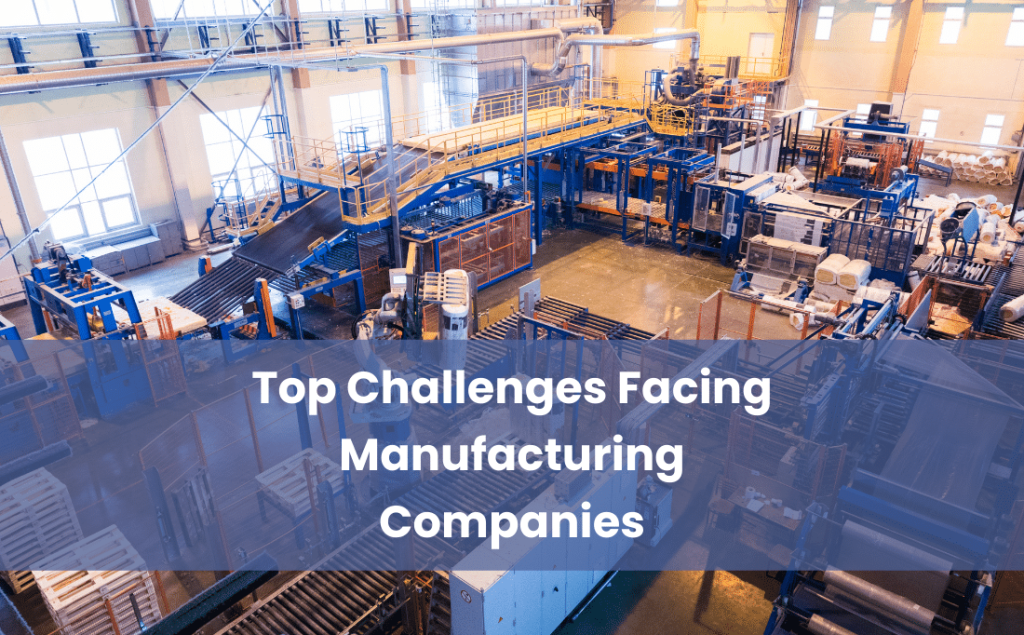
The factory floor is no longer just about machines and materials – it’s a battleground for data, agility, and innovation.
The manufacturing industry stands at a pivotal crossroads. Rapid technological advancements, shifting customer expectations, and global uncertainties are reshaping the landscape faster than many companies can adapt. While the promise of smart factories and digital transformation is within reach, the reality for many manufacturers is far more complex, marked by disconnected systems, manual processes, and mounting pressure to innovate. This isn’t just a challenge of efficiency; it’s a challenge of survival. To thrive in this new era, manufacturers must confront these obstacles head-on, rethinking how they operate, connect, and deliver value in a world that demands agility and intelligence.
1. Disconnected Systems and Data Silos
Many manufacturers still rely on legacy systems that don’t communicate with each other. This leads to fragmented data, duplicated effort, and a lack of real-time visibility across departments like production, sales, logistics, and finance.
2. Manual Processes and Inefficiencies
From quoting and order processing to inventory management and customer service, manual workflows slow down operations and increase the risk of human error. These inefficiencies are especially painful in high-volume, fast-paced environments.
3. Lack of Real-Time Insights
Without integrated systems and dashboards, manufacturers struggle to access real-time data on production performance, customer orders, or supply chain disruptions. This limits their ability to make proactive, data-driven decisions.
4. Complex Customer Relationships
Manufacturers often deal with a mix of B2B and B2C customers, distributors, and partners. Managing these relationships without a centralised CRM leads to inconsistent service, missed opportunities, and poor customer retention.
5. Demand for Self-Service and Digital Experience
Customers increasingly expect self-service portals where they can place orders, track deliveries, view invoices, and raise queries. Manufacturers that can’t meet these expectations risk losing business to more digitally mature competitors.
6. Supply Chain Disruptions
Global instability, material shortages, and transportation delays continue to challenge manufacturers, often with little warning. These disruptions can halt production, delay deliveries, and erode customer trust. The key to navigating this uncertainty lies in agility and visibility. Without integrated systems that provide real-time insights into inventory levels, supplier performance, and customer demand, manufacturers are left reacting instead of responding.
CRM solutions can transform supply chain operations. By centralising data and automating workflows, manufacturers gain the ability to anticipate shortages, adjust procurement strategies, and communicate effectively across departments. This proactive approach not only reduces delays and errors but also strengthens customer relationships during times of disruption.
7. Labour Shortages and Skills Gaps
Finding and retaining skilled workers – especially in technical and operational roles – remains a major concern. Automation and digital tools can help, but only if they’re implemented effectively.
Many industries are facing critical skills gaps, but instead of waiting for the perfect candidate to appear, why not train your own? One of the best decisions Avrion has made is investing in apprenticeships. Why? Because they bring fresh ideas, enthusiasm, and a hunger to learn – all essential for business growth. Apprenticeships are not just for school leavers and people at the beginning of their careers, they can also be used to develop existing staff as part of their continuous professional development (CPD).
8. Pressure to Innovate and Customise
Customers want faster turnaround times, more customisation, and better service. Manufacturers must innovate while maintaining efficiency and profitability – a tough balancing act without the right systems in place.
The challenges facing manufacturers are not just operational, they’re strategic. From data silos and supply chain disruptions to evolving customer demands and talent shortages, the pressure is real and relentless. But with the right tools, mindset, and partners, these challenges become opportunities for transformation. Forward-thinking companies are already proving that integrated systems, automation, and customer-centric platforms can unlock new levels of performance and resilience. The question isn’t whether change is coming, it’s whether your business is ready to lead it.
